
Our Staff
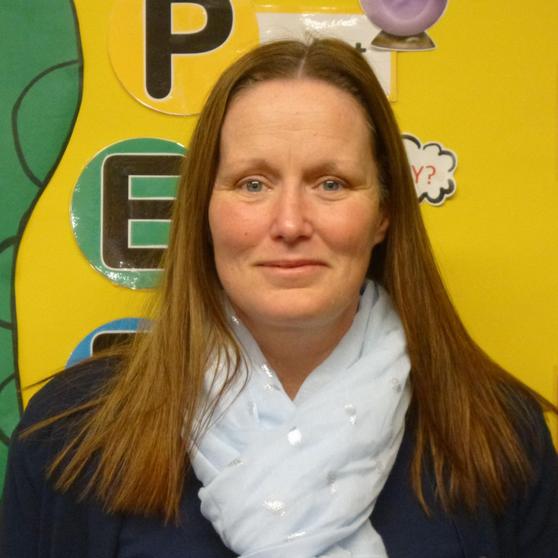
Meet our school SENDCO
SEND Roles and Responsibilities
SENDCO: Mrs. C. Marley
SEND Governor: Mrs. Kate Hall
Mrs Marley is our Special Educational Needs and Disability Co-ordinators at Finchale Primary.
Our SENDCO is responsible for:
- Coordinating all the support for children with Special Educational Needs or Disabilities (SEND) and developing the school’s SEND Policy to ensure that all children get a consistent and high quality teaching and learning experience at Finchale Primary School.
- Ensuring that parents / carers are:
- involved in supporting their child’s learning
- kept informed about the support their child is getting
- involved in reviewing how they are doing
- Ensuring that pupils are:
- given the opportunity to tell us what works well for them and what further support they might need
- fully informed about who external visitors are and why they are here to work with them
- given the opportunity to help us develop our SEND provision through questionnaires (where appropriate), individual and group discussions
- Liaising with all external agencies who may be coming into school to help support individual children e.g. Speech and Language Therapy (SALT), Educational Psychology (EP) etc.
- Updating the school’s SEND register (a system for recording all the known SEND needs of the pupils in this school) and ensuring there are appropriate records of your child’s progress and needs.
- Providing specialist support and training for teachers and support staff in the school so they can help children with SEND in the school achieve the best progress possible.
- Identifying training needs of staff where relevant to meet the needs of pupils within our school.
- Reporting to the Governing Body about issues relevant to SEND.
- Ensuring that finance related to SEND is appropriately allocated to meet the needs of our pupils with SEND.
- Liaising with staff / colleagues from other settings regarding transition into and out of Finchale and between classes and Key Stages within school.
- Attending Local Authority network meetings and training events where appropriate to keep up to date with relevant information.
- Co-ordinating mental health support throughout the school.
- Liaising with outside agencies to provide appropriate provision and resources to support mental health and wellbeing throughout the school.
- Signposting parents/carers to local and national wellbeing and mental health services.
To read more about SEND roles and responsibilities, please read the following document:
Staff Training
At Finchale Primary School, we believe every child deserves the opportunity to thrive. Our staff take part in regular Special Educational Needs and Disabilities (SEND) training to ensure we provide the best possible support for all pupils.
Our recent training has covered:
- Inclusive / adaptive teaching strategies to meet a wide range of learning needs.
- Understanding specific needs such as autism, ADHD, dyslexia, and speech and language difficulties.
- Creating supportive environments that promote wellbeing and independence, for example our Emotion Coaching and Deciders Skills training.
- Working in partnership with families and external specialists, for example through 'SEND Surgeries' with the Durham SEND Advisory Team.
Some specific examples of staff training in recent months includes:
-
Using Assistive Technology
-
Hamish & Milo 'Calm Me' Training
-
Trauma Informed Approaches
-
Managing Behaviour of Concern
-
Understanding Autism
-
This ongoing professional development means our teachers, support staff, and leadership team are confident in adapting lessons, resources, and approaches so every learner can succeed. We are proud to be part of a whole-school approach to inclusion, ensuring SEND is embedded in everything we do – from classroom practice to enrichment activities.